
Culture
The Moroccan Caftan: History, Styles and Meaning
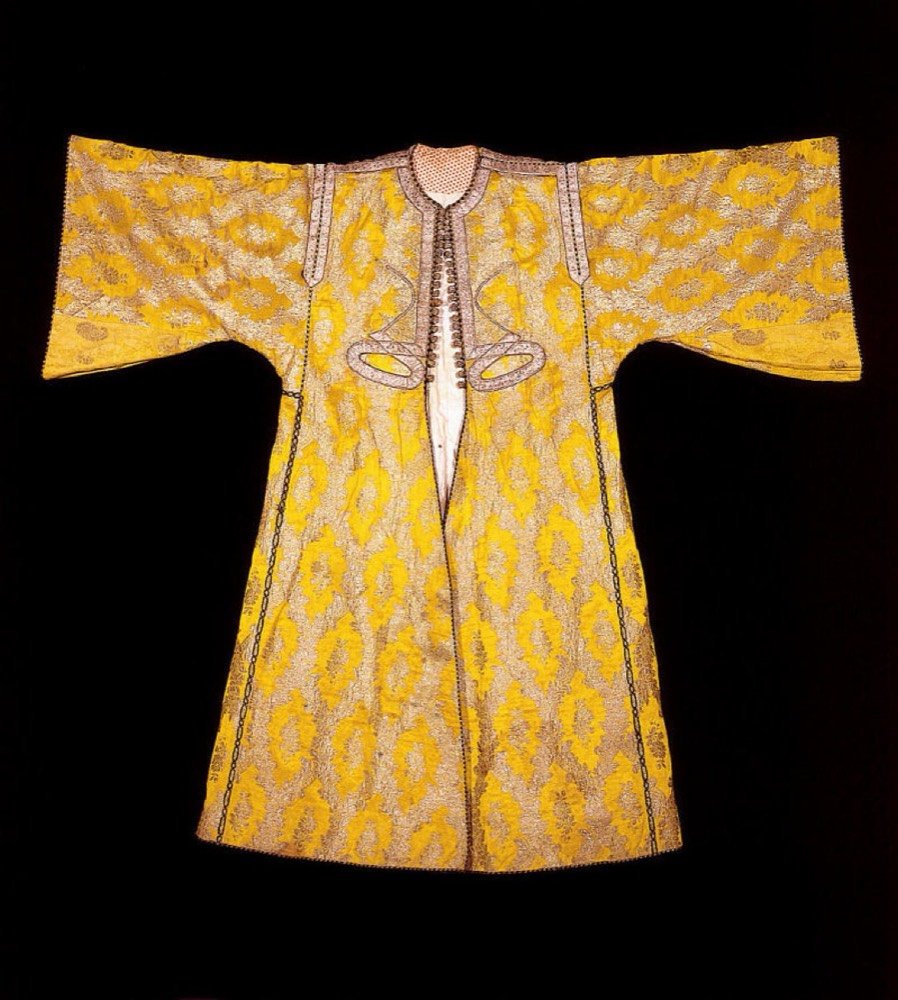
Ask any Moroccan woman which garment best represents her country and the answer will almost always be the same: the caftan. Worn at weddings, henna nights, Eid and every family celebration, the Moroccan caftan is far more than a dress. It is a piece of history, a showcase of craftsmanship and a symbol of elegance that has travelled through centuries.
Where does the caftan come from?
Long, open-fronted robes called caftans were worn across the Middle East and the Ottoman world for centuries. In Morocco, historians often link the arrival and refinement of the caftan to the royal courts of Fez and Marrakech and to the Andalusian families who settled in Moroccan cities after leaving Spain. Over time, Moroccan artisans made it their own, adding local embroidery, braids and buttons, and turning it into a garment that no longer looks like any other.
For a long time the caftan was reserved for the elite: rich velvets and brocades embroidered with gold thread were a sign of rank. Today it belongs to everyone, and each generation of designers and maâlems (master artisans) reinvents it while keeping its traditional techniques.
What makes a caftan Moroccan?
A Moroccan caftan is a long, one-piece robe with long sleeves, usually closed from the neckline to the waist and often worn with a belt called a mdamma. What really defines it is the handwork:
- Sfifa — a hand-twisted silk braid sewn along the edges.
- Aakad — tiny knotted buttons, sometimes more than a hundred on one piece.
- Randa — a fine needle-lace worked around the collar and cuffs.
- Tarz — embroidery in gold, silver or silk thread.
We explain these techniques step by step in our article How a handmade Moroccan caftan is made.
Regional styles
Morocco’s great cities each developed their own taste. Fez is famous for tarz fassi, a dense, symmetrical gold embroidery. Rabat gave its name to tarz rbati, with colourful floral motifs. Tetouan and the north kept strong Andalusian influences, while Marrakech is known for bold colours, rich sfifa work and a joyful, generous style — the style we love and make in our atelier in the Medina.
Caftan or takchita?
The two words are often mixed up. A caftan is a single layer; a takchita is made of two layers, an under-dress and a decorated over-dress. If you are choosing an outfit for a wedding, read our guide Caftan vs takchita: what is the difference?
The caftan today
The modern Moroccan caftan comes in countless versions: minimalist crêpe caftans with a single line of aakad buttons, beaded evening caftans, velvet heritage pieces or light printed caftans perfect for travellers. Brides may change outfits several times during their wedding, and many of those outfits are caftans or takchitas.
What has not changed is the value of the hand. A caftan made by a maâlem, with a braid twisted by hand and buttons knotted one by one, has a life and a quality that a machine cannot copy.
Bringing a caftan home from Marrakech
Whether you are Moroccan, part of the diaspora, or discovering Morocco for the first time, a handmade caftan is one of the most beautiful things you can bring home. In our boutique in the Marrakech Medina you can see and touch the fabrics, try pieces on and have them adjusted — or order online with delivery worldwide.
Une pièce vous plaît ? Nous répondons sur WhatsApp.